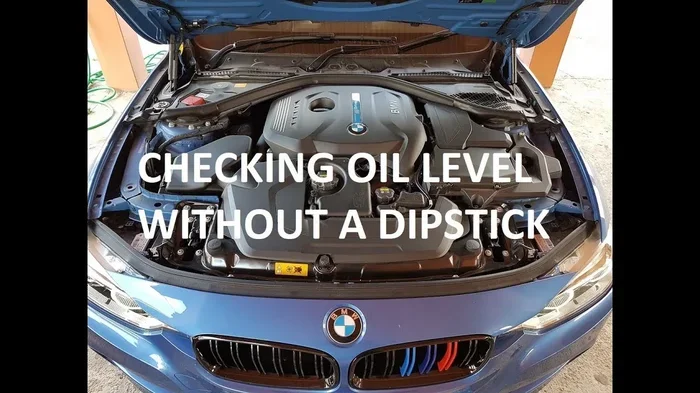
How to Perform an Electric Oil Level Test on a BMW
Performing an electric oil level test on a BMW is easier than you think. This guide walks you through each step to check your BMW’s oil level using the electronic system. You will learn what tools you need, how to read the results, and why this method matters for your engine’s health.
Owning a BMW means enjoying top-tier engineering and smart technology. One of the standout features in modern BMWs is the electric oil level test system. This electronic method takes the guesswork out of checking your oil. Instead of pulling out a dipstick, your BMW uses sensors and software to tell you exactly where your oil level stands.
If you have ever wondered how to check your BMW’s oil without the old-school method, you are in the right place. This guide covers everything you need to know about the electric oil level test on a BMW. From preparation to interpretation, we will walk you through each step with clarity and confidence.
Why does this matter? Oil is the lifeblood of your engine. Running low can lead to expensive repairs. The electric system in your BMW makes monitoring oil levels simple and accurate. Let us dive in and explore how it all works.
Key Takeaways
- Electric oil level testing is the modern way to check your BMW’s oil without a traditional dipstick on many models.
- You need the right tools like a diagnostic scanner or the iDrive system to access the oil level data.
- Checking oil when the engine is warm gives the most accurate reading on most BMW vehicles.
- Low oil levels can cause serious engine damage, so regular testing is essential for BMW maintenance.
- The oil level sensor plays a key role in displaying accurate readings on your BMW’s dashboard.
- Resetting the oil life system after an oil change ensures your BMW tracks maintenance correctly.
📑 Table of Contents
- What Is an Electric Oil Level Test on a BMW?
- Tools and Preparation You Will Need
- Step-by-Step Guide to Performing the Electric Oil Level Test
- Understanding the Oil Level Sensor and How It Works
- What to Do If the Oil Level Is Low
- Maintaining Accurate Oil Level Readings Over Time
- Common Mistakes to Avoid
- Expert Insight: Why Electric Oil Testing Is the Future
- Final Thoughts
What Is an Electric Oil Level Test on a BMW?
A traditional oil check involves pulling a dipstick out of the engine bay. BMW has moved away from this in many newer models. Instead, the oil level sensor measures the oil amount electronically. The system then displays the reading on your dashboard or iDrive screen.
The electric oil level test on a BMW relies on a float sensor or capacitive sensor inside the oil pan. These sensors send data to the engine control unit (ECU). The ECU processes the information and shows you the oil level in real time. This is far more convenient than the dipstick method.
Not all BMWs use the same system. Some models still have a dipstick. But many newer ones, especially the E90, F10, and G-series models, use electronic measurement only. Understanding your specific model matters when performing this test.
Why BMW Uses Electric Oil Level Systems
BMW adopted electric oil level systems for several smart reasons. First, it eliminates the need for a dipstick, which frees up space in the engine bay. Second, electronic readings tend to be more precise. Third, the system can warn you automatically when oil drops below a safe level.
The BMW oil level sensor also connects to the oil life monitoring system. This means your BMW tracks not just the amount of oil but also its quality. Together, these systems help you stay on top of maintenance without guesswork.
Tools and Preparation You Will Need
Before you start the electric oil level test on a BMW, make sure you have what you need. The good news is that you do not need much. Here is a simple checklist:
- A BMW with an electronic oil level system — check your owner’s manual to confirm.
- A diagnostic scanner (optional but helpful) — tools like the BMW ISTA or compatible OBD2 scanners work well.
- Access to the iDrive system — most BMWs let you check oil level through the dashboard menu.
- A warm engine — this is important for accurate readings. We will explain why below.
You do not need any special mechanical skills for this test. Anyone can do it at home with basic knowledge. The key is following the steps in the right order.
Preparing Your BMW for the Test
Start by parking your BMW on a flat surface. This ensures the oil settles evenly in the oil pan. Next, turn on the engine and let it idle for about 3 to 5 minutes. The oil level sensor BMW systems work best when the oil is warm and flowing smoothly.
Some BMW owners ask, do you need to check the oil level when warm or cold? The answer is warm. A warm engine gives the most reliable reading because the oil has reached its normal operating temperature and viscosity. Cold oil can sit unevenly and give a false low reading.
Once the engine has warmed up, turn it off. Wait about 30 seconds to one minute. This gives the oil time to drain back into the oil pan. Now you are ready to check the level.
Step-by-Step Guide to Performing the Electric Oil Level Test
Now comes the hands-on part. Here is how you perform the electric oil level test on a BMW step by step. Follow along carefully for the best results.
Step 1: Turn the Ignition to Position 2
Press the start button without pressing the brake pedal. This puts your BMW in Position 2, where the instruments are live but the engine is off. The dashboard lights will illuminate, and the iDrive system will be active.
Step 2: Navigate to the Vehicle Info Menu
Use the iDrive controller to go to the Vehicle Info menu. On most BMW models, you can find this by pressing the menu button on the steering wheel. Navigate to “Vehicle Status” or “Vehicle Information” depending on your model year.
Step 3: Select Oil Level Check
Within the Vehicle Info menu, look for an option labeled “Oil Level” or “Engine Oil.” Select it. The system will begin a brief self-check. After a few seconds, it will display the current oil level.
The reading usually shows one of three states:
– Full — the oil level is within the normal range.
– Add Oil — the oil level is low and needs topping up.
– Oil Change Required — the oil level is critically low or the oil life has expired.
Step 4: Verify with a Diagnostic Scanner (Optional)
If you want a second opinion, connect a diagnostic scanner to the OBD2 port. The scanner can pull the exact oil level data from the ECU. This is especially useful if the dashboard reading seems off or inconsistent.
For BMW models like the BMW 328i 2014 and similar, you can also check the oil life percentage through the scanner. This gives you a clearer picture of when your next oil change is due.
Understanding the Oil Level Sensor and How It Works
The oil level sensor BMW systems use is a clever piece of engineering. Most BMWs use either a float-style sensor or a capacitive sensor. The float sensor has a small buoy that moves up and down with the oil surface. As the oil level changes, the float sends a resistance signal to the ECU.
Capacitive sensors work differently. They measure the dielectric constant of the oil and air mixture around a probe. This method is even more precise and has no moving parts, which means fewer failures over time.
Both sensor types feed data to the ECU. The ECU then translates this data into the simple “Full,” “Add,” or “Change” messages you see on your dashboard. Understanding this helps you trust the readings and troubleshoot when something seems off.
Common Oil Level Sensor Issues
Like any electronic component, the oil level sensor can fail over time. Here are some common signs of a bad sensor:
- The dashboard shows “Oil Level Unknown” or no reading at all.
- The oil warning light comes on even when the oil level looks fine.
- The reading fluctuates wildly between Full and Add.
- The sensor gives a false low reading after an oil change.
If you notice any of these issues, it is worth checking the sensor. A faulty sensor can cause unnecessary worry or, worse, mask a real oil problem. Replacing an oil level sensor BMW unit is usually straightforward and affordable.
What to Do If the Oil Level Is Low
If your electric oil level test on a BMW shows that the oil is low, do not panic. Here is what you should do next:
- Check for leaks — look under the car for any fresh oil spots. Also check around the oil filter and drain plug.
- Top up with the correct oil — BMW specifies particular oil grades. Check your owner’s manual or look for the oil cap under the hood for the recommended oil type BMW specification.
- Add oil slowly — pour small amounts and recheck the level. Overfilling can be just as harmful as underfilling.
- Reset the oil level system — after topping up, some BMWs require a reset through the iDrive menu to clear the warning.
Running your BMW with low oil even for a short time can cause serious engine wear. The electric oil level test helps you catch this early before any damage occurs.
When to Seek Professional Help
Sometimes the oil level drops quickly with no visible leak. This can happen due to internal engine wear or a faulty oil level sensor. If you find yourself frequently needing to add oil, it is time to visit a qualified BMW technician. They can perform a thorough inspection and identify hidden issues.
Also, if your dashboard shows a low oil warning and the electric oil level test confirms it, address it immediately. Driving with low oil can lead to engine seizure, which is an expensive repair no one wants to face.
Maintaining Accurate Oil Level Readings Over Time
Keeping your BMW oil level system accurate is about more than just one test. It is about ongoing care. Here are some habits that help:
- Check your oil level regularly — once a month or before long trips.
- Always check when the engine is warm for the most accurate oil level reading BMW systems provide.
- Use the correct BMW-specified oil — this ensures the sensor reads correctly.
- Change your oil on schedule — old oil can affect sensor accuracy and engine health.
- Monitor the oil life percentage — this gives you a broader picture of your engine’s condition.
The electric oil level test on a BMW is a powerful tool. But like any tool, it works best when you use it consistently and pair it with proper maintenance habits.
Quick Tips for Best Results
- Always park on a flat surface before testing.
- Wait 30 seconds after turning off the engine before checking.
- Use the iDrive system rather than relying solely on warning lights.
- Keep a log of your oil level readings over time.
- Replace the oil level sensor if you notice inconsistent readings.
Common Mistakes to Avoid
Even with a simple process like the electric oil level test on a BMW, mistakes can happen. Here are the ones to watch out for:
- Checking oil when the engine is cold — this can give a falsely low reading and cause unnecessary worry.
- Ignoring the oil life system — the oil level might be fine, but the oil quality could be degraded.
- Overfilling the oil — too much oil can cause foaming and reduce lubrication effectiveness.
- Relying only on the warning light — by the time the light comes on, the oil may already be dangerously low.
- Using the wrong oil grade — this can affect sensor readings and engine performance.
Avoiding these mistakes keeps your BMW running smoothly and your readings trustworthy.
Expert Insight: Why Electric Oil Testing Is the Future
The automotive industry is moving toward more electronic systems. The electric oil level test on a BMW is part of this trend. Traditional dipsticks are becoming rare in modern vehicles. Electronic sensors offer better accuracy, integration with onboard computers, and automatic alerts.
BMW pioneered many of these electronic systems in the luxury car segment. The oil level sensor BMW technology has evolved over the years to become more reliable and precise. As BMW continues to innovate, we can expect even smarter oil monitoring features in future models.
For BMW owners, embracing this technology means better engine care and fewer surprises. The more you understand how your car’s systems work, the better equipped you are to maintain it properly.
Final Thoughts
The electric oil level test on a BMW is a straightforward process that every BMW owner should know. It takes just a few minutes and can save you from costly engine repairs. By checking your oil level regularly using the electronic system, you stay ahead of potential problems.
Remember to check your oil when the engine is warm, use the correct oil grade, and pay attention to both the oil level and oil life readings. If something seems off, do not hesitate to investigate further or consult a professional. Your BMW is a precision machine — treating it with care pays off in performance and longevity.
Keep this guide handy. The next time you need to check your BMW’s oil, you will know exactly what to do. Stay proactive, stay informed, and keep your BMW running at its best.
Frequently Asked Questions
Can I perform an electric oil level test on a BMW with the engine off?
Yes, but the most accurate reading comes from a warm engine. Turn off the engine, wait 30 seconds to one minute for the oil to settle, and then perform the test through the iDrive system. This gives you the most reliable oil level reading BMW systems are designed to provide.
What do I do if my BMW shows “Oil Level Unknown” during the test?
This usually means the oil level sensor is not communicating properly. Try turning the ignition off and back on. If the message persists, check for loose electrical connections near the sensor. You may also need to use a diagnostic scanner to clear any error codes. If the problem continues, have a technician inspect the sensor.
How often should I perform an electric oil level test on my BMW?
It is a good practice to check your BMW oil level at least once a month and before any long road trips. Regular checks help you catch slow leaks or consumption issues early. The BMW oil life monitoring system also tracks this and will alert you when attention is needed.
Is the electric oil level test the same for all BMW models?
Not exactly. While the general process is similar, the menu paths and available features vary by model and year. Newer BMWs with the iDrive system make it very easy. Older models may require a diagnostic scanner. Always refer to your specific model’s owner’s manual for exact steps.
Can a faulty oil level sensor cause the low oil warning light to come on?
Yes, a bad oil level sensor BMW unit can trigger the warning light even when the oil is at the proper level. If you suspect the sensor is faulty, perform a manual check or use a diagnostic scanner to verify the actual oil level. Replacing the sensor is usually a simple and affordable fix.
Does checking the oil level electronically replace the need for regular oil changes?
No. The electric oil level test only tells you the current oil amount. It does not measure oil quality or degradation over time. BMW’s oil life monitoring system tracks both, but you should still follow the recommended oil change intervals. Regular oil changes are essential for long engine health.
=== CONCLUSION ===
The electric oil level test on a BMW is one of the simplest and most effective ways to protect your engine. With just a few minutes and your iDrive system, you can confirm your oil level is where it should be. This small habit adds up to big savings over time by preventing costly engine damage.
Pair your oil level checks with regular BMW maintenance and you will enjoy a reliable, high-performance driving experience for years to come. Stay on top of your oil, trust your BMW’s electronic systems, and never second-guess your engine’s health again.