Why Does a Car Tyre Deflate but Not Have a Puncture
A car tyre can lose air without any visible puncture due to several hidden issues like worn valve stems, temperature drops, or a faulty rim seal. Understanding these causes helps you catch problems early and avoid dangerous driving conditions. Regular tyre maintenance and simple checks can keep your tyres properly inflated and your car safe on the road.
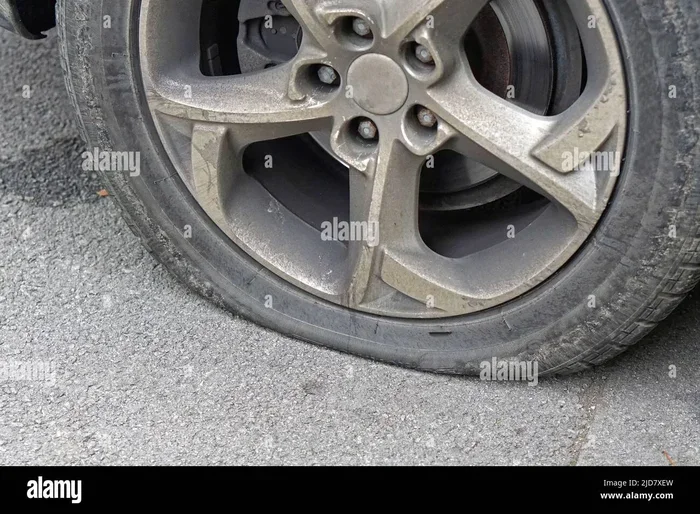
You wake up one morning, walk out to your car, and notice the tyre looks a bit flat. You grab a gauge, check the pressure, and it is way below where it should be. But here is the thing — there is no puncture. No nail, no screw, no sharp object in sight. This situation is more common than you might think, and it can leave any driver feeling confused and a little worried.
A car tyre deflating without a puncture is not a mystery. Several everyday factors can cause your tyres to lose air slowly over time, sometimes so gradually that you do not even notice until the pressure drops significantly. Understanding why this happens is the first step toward fixing the problem and keeping your car safe on the road.
In this guide, we will walk you through the most common reasons your tyre might be losing air, how to spot the hidden leaks, and what you can do to prevent it from happening again. Whether you are a seasoned driver or someone who only gets behind the wheel occasionally, this information will help you stay ahead of tyre trouble.
Key Takeaways
- Valve Stem Issues: A damaged or worn valve stem is one of the most common reasons for air loss without a puncture.
- Temperature Drops Matter: Cold weather can cause significant tyre pressure loss, making it seem like air is leaking.
- Rim and Bead Seal Problems: Corrosion or damage at the rim can create tiny gaps where air escapes silently.
- Slow Leaks Are Sneaky: Tyre deflation without a puncture often happens so slowly you barely notice until it becomes a safety issue.
- Regular Checks Save Money: Monitoring tyre pressure weekly can catch slow leaks before they lead to costly repairs or dangerous blowouts.
- DIY Tests Work: Simple methods like the soapy water test can help you find hidden leaks at home.
📑 Table of Contents
Why Does a Car Tyre Deflate but Not Have a Puncture?
When a tyre loses air without any visible damage, the culprit is usually something internal or environmental. Let us break down the most common causes so you know exactly what to look for.
The Role of Valve Stems
The valve stem is the small protrusion on your tyre that lets you add air. It also has a tiny rubber seal inside that keeps air from escaping. Over time, this rubber can dry out, crack, or wear down. When that happens, air slowly leaks out, and you may never see a single hole in the tread.
Valve stems can also become loose at the base of the wheel. If the seal between the valve stem and the rim is not tight, air will find its way out. This type of air leakage is one of the top reasons drivers experience tyre pressure loss without any visible damage.
Temperature Changes and Air Pressure
Here is something many drivers do not expect — temperature changes can make your tyres lose air fast. When the weather gets colder, the air inside your tyres contracts. This contraction lowers the pressure, and your tyre can look or feel flat even though nothing is wrong with it.
During winter months, it is not unusual for a tyre to lose one to two PSI for every 10-degree drop in temperature. This is not a leak at all. It is just physics doing its thing. However, if you live in a place with big temperature swings, you need to check your tyre pressure more often during seasonal changes.
Rim and Bead Seal Issues
The bead seal is the area where your tyre meets the rim. It creates an airtight connection that holds the air inside. Over time, corrosion, dirt, or damage to the rim can weaken this seal. Even a tiny gap can let air escape so slowly that you never notice it during a quick glance at the tyre.
Alloy wheels are especially prone to this issue because they can develop micro-cracks or corrosion spots that break the seal. If your car sits for long periods or you drive on rough roads frequently, the bead seal may be the hidden cause of your tyre deflation problem.
Tyre Sidewall Damage
The sidewall of your tyre is the flexible side that absorbs bumps and keeps the tyre shaped. Unlike the tread, the sidewall does not have a thick rubber layer to protect against slow leaks. A small nick, scratch, or bulge on the sidewall can let air seep out over time without any obvious puncture.
This type of damage often happens from driving over potholes, curbs, or debris. The damage may not be visible right away, but it creates a pathway for air to escape. If you notice your tyre losing pressure and there is no puncture in the tread, check the sidewall carefully.
Common Signs Your Tyre Is Losing Air Without a Puncture
Catching a slow leak early can save you from bigger problems down the road. Here are the signs that your tyre is losing air even though there is no visible puncture.
Visual Indicators
Look at your tyres regularly. A tyre that is losing air might look slightly lower on one side compared to the others. You may also notice the tyre looks a bit flatter than usual when you park next to a curb or another car for reference. These visual cues are subtle, but they are often the first warning signs.
Another thing to watch for is the tyre sitting lower on the wheel well. If one corner of your car looks lower than the others, that tyre might be losing pressure. This is especially noticeable after your car has been parked overnight.
Driving Feel and Performance
Your car will tell you when something is off with your tyres. If you notice your car pulling to one side, that could be a sign of uneven pressure. A tyre that is slowly deflating will feel softer, and you might notice more road noise than usual.
Your fuel economy can also drop when a tyre is underinflated. The tyre creates more rolling resistance, which means your engine works harder and uses more fuel. If you have been filling up more often and your tyres look fine, check the pressure. A slow leak might be the hidden reason.
TPMS Warnings
Most modern cars come with a Tyre Pressure Monitoring System, or TPMS. This system lights up on your dashboard when tyre pressure drops below a safe level. If you see this warning and there is no puncture, do not ignore it. The TPMS is designed to alert you to exactly these kinds of hidden issues.
Some older cars do not have TPMS, which makes regular manual checks even more important. A simple tyre pressure gauge costs just a few pounds and can save you from a dangerous situation on the road.
How to Check for Hidden Air Leaks
Finding a slow leak can feel like detective work, but there are simple methods you can try at home before visiting a garage.
The Soapy Water Test
This is the most popular DIY method for finding hidden leaks. Mix a few drops of dish soap with water in a spray bottle. Spray the solution generously over the entire tyre, including the valve stem, the bead area, and the sidewall.
Watch closely for bubbles. If air is escaping from somewhere, the soapy water will form bubbles at that spot. This method works surprisingly well for finding tiny leaks that are invisible to the naked eye. It is a quick, cheap, and effective way to diagnose tyre pressure loss without a puncture.
Submerging the Tyre in Water
If you have access to a bucket or a tub, you can submerge the tyre (or the wheel) in water and look for bubbles. This method is more thorough than the soapy water test and can reveal leaks in areas that are harder to reach. It is especially useful for checking the bead seal and the area around the valve stem.
Professional Leak Detection
If DIY methods do not find the leak, a professional tyre shop can help. Many garages use electronic leak detection tools that can pinpoint even the tiniest air loss. They can also check the rim for corrosion or damage that might be causing the seal to fail. Sometimes, a simple re-seating of the tyre on the rim is all it takes to fix the problem.
While you are at the garage, it is also a good idea to ask about your overall car maintenance routine. For instance, issues like low oil causing your car to smell hot after driving can sometimes be related to neglect that also affects your tyres. Staying on top of regular service keeps everything running smoothly.
Preventing Unexpected Tyre Deflation
The best way to deal with a tyre losing air without a puncture is to prevent it from happening in the first place. Here are some practical steps you can take.
Regular Maintenance Tips
- Check tyre pressure weekly: Make it a habit to check your tyre pressure at least once a week. A quick check takes only a few minutes and can catch slow leaks early.
- Inspect valve stems regularly: Look at your valve stems for cracks, dryness, or damage. Replace them if they look worn. Valve stems are cheap and easy to swap out.
- Keep your tyres clean: Dirt and grime can build up around the bead seal and cause corrosion over time. A simple wipe-down during car washes can help.
- Avoid rough roads when possible: Potholes and debris can damage your sidewalls and weaken the bead seal. When you can, choose smoother routes.
- Check your spare tyre too: A spare tyre that has lost air is useless when you need it most. Include it in your regular pressure checks.
When to Seek Professional Help
If you have tried the soapy water test and still cannot find the leak, it is time to visit a professional. Some leaks are too small to detect with DIY methods, and a garage has the tools to find them quickly. Also, if you notice your tyre losing pressure frequently, there may be an underlying issue with the rim or the tyre itself that needs expert attention.
Sometimes, the problem is not the tyre at all but the car maintenance routine. For example, if your engine is running hot due to a clogged air filter, it can affect overall vehicle performance. Checking whether a new air filter helps with engine overheating is just one part of keeping your car in top condition. A well-maintained car means well-maintained tyres too.
Is It Safe to Drive on a Slowly Deflating Tyre?
Risks and Dangers
Driving on a tyre that is losing air is not safe. An underinflated tyre creates more friction with the road, which leads to overheating. Over time, this overheating can cause the tyre to blow out, especially at higher speeds or under heavy loads.
A deflating tyre also affects your car’s handling. Steering becomes sluggish, braking distance increases, and cornering becomes unstable. These changes might be subtle at first, but they can make a big difference in an emergency situation. If you suspect a tyre is losing pressure, address it as soon as possible.
What to Do If You Notice Pressure Loss
If you notice your tyre is losing air, start by checking the pressure with a gauge. Add air to reach the recommended PSI listed on your car’s door jamb or owner manual. Then, drive carefully to the nearest garage or tyre shop for a proper inspection.
Do not ignore the problem and hope it fixes itself. A slow leak will only get worse over time. If you are planning a long trip, make sure all your tyres are properly inflated before you leave. Proper tyre maintenance is one of the simplest and most effective ways to stay safe on the road.
For those who drive vehicles like the Mitsubishi Outlander and need to tow a trailer, tyre pressure becomes even more critical. The added weight puts extra stress on your tyres, and a slow leak can become dangerous much faster under heavy loads.
Conclusion
A car tyre deflating without a puncture is a common issue with several possible causes. Whether it is a worn valve stem, a temperature drop, a faulty rim seal, or sidewall damage, the key is catching the problem early before it becomes a safety hazard. Regular checks, simple DIY tests, and good maintenance habits can keep your tyres in great shape.
Do not wait until your tyre is completely flat to take action. Make tyre pressure checks part of your routine, and pay attention to the warning signs your car gives you. A few minutes of effort each week can save you time, money, and most importantly, keep you safe on the road.
Your tyres are the only part of your car that touches the road. Treat them well, and they will keep you safe mile after mile.
Frequently Asked Questions
Can a tyre lose air without any visible damage?
Yes, absolutely. Tyres can lose air through worn valve stems, temperature changes, or tiny gaps in the rim seal. These issues are often invisible but can cause significant pressure loss over time.
How fast can a tyre deflate without a puncture?
A slow leak can cause a tyre to lose one to two PSI per week or even faster in cold weather. The rate depends on the size of the gap or damage and the environmental conditions the tyre is exposed to.
Is it safe to drive with a tyre that is slowly losing air?
No, it is not safe. An underinflated tyre increases the risk of blowouts, reduces handling, and increases braking distance. Always address pressure loss promptly to stay safe on the road.
Can cold weather cause a tyre to look flat without a leak?
Yes, cold weather causes the air inside tyres to contract, which lowers pressure. This can make a tyre look and feel flat even though there is no actual leak. Checking pressure when the tyre is cold gives the most accurate reading.
How much does it cost to fix a slow tyre leak?
Fixing a slow leak can range from free (a simple valve stem replacement) to £50-£100 for rim resealing or bead repair. The cost depends on the cause and the garage you visit.
Should I replace my tyre if it keeps losing air with no puncture?
Not necessarily. First, identify the cause. If it is a valve stem or rim seal issue, repair is usually affordable. However, if the tyre sidewall is damaged or the tyre is old, replacement may be the safer option.