Flat Tire After Hitting a Curb Causes Fixes and Tips
A flat tire after hitting a curb is one of the most common and frustrating car problems drivers face. Whether it’s a slow leak or a sudden blowout, curb impact can damage your tire sidewall, bend the rim, or even harm the TPMS sensor. This guide covers the top causes, clear signs of damage, step-by-step fixes, real cost estimates, and simple prevention tips to help you stay safe and save money.
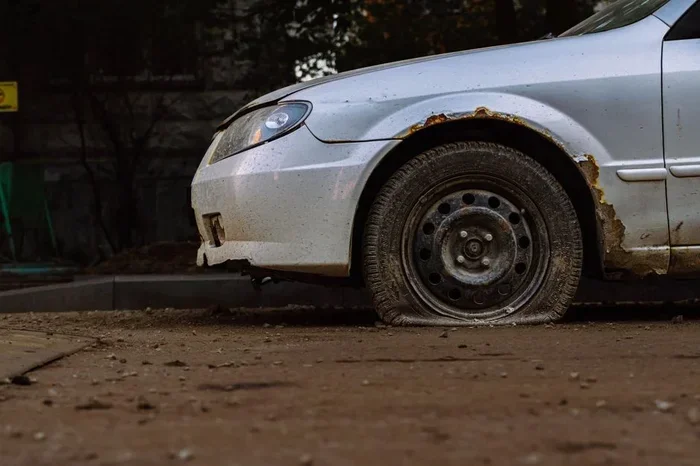
You are driving down a quiet street. You misjudge a parking spot. You hear a loud scrape. Then you see it. Your tire is flat. A flat tire after hitting a curb is one of those moments every driver dreads. It happens to millions of people every year. And the shock of it can ruin your morning, your afternoon, or your entire day.
But here is the good news. Most curb-related tire damage is fixable. And knowing what to do right after it happens can save you a lot of money and stress. This guide walks you through everything you need to know. From the causes and warning signs to the best fixes and prevention strategies. Let us get into it.
Key Takeaways
- Hitting a curb can cause serious tire and wheel damage that may not be visible right away.
- Sidewall punctures and bulges are the most common results and usually require a full tire replacement.
- Rim damage from curb impact can lead to air leaks and poor vehicle handling.
- Quick visual checks and tire pressure monitoring help you catch damage early before it becomes dangerous.
- Repair costs range from $20 for a simple plug to $300+ for a new tire and rim combo.
- Parking habits and tire maintenance are the best ways to prevent flat tires from curb contact.
- Always pull over safely and inspect your tires after any curb impact, even if you feel no immediate problem.
📑 Table of Contents
What Happens When You Hit a Curb
When your tire strikes a curb, the impact transfers force directly into the tire and wheel. The damage depends on speed, angle, and tire pressure. A low-speed scrape might cause nothing more than a cosmetic scratch. But a higher-speed impact can do real harm to your tire structure, rim, and suspension components.
The tire sidewall is especially vulnerable. It is thinner than the tread and has less reinforcement. Even a small gash or bulge in the sidewall can lead to a slow leak or a sudden flat. The rim can bend or crack. And the TPMS sensor inside the wheel may get knocked loose or damaged.
Types of Curb Damage to Tires and Wheels
Not all curb damage looks the same. Here are the most common types you may encounter after a curb impact:
- Sidewall puncture — A cut or gash in the side of the tire. This often causes a slow leak or sudden deflation.
- Sidewall bulge — Also called a bubble. Air leaks into the tire layers and creates a visible bump. This is a serious safety risk.
- Bent rim — The wheel rim warps or cracks from the impact. A bent rim causes uneven tire contact and air loss.
- TPMS sensor damage — The tire pressure monitoring sensor gets knocked out of place. Your dashboard warning light may come on.
- Tread separation — The tire tread starts to pull away from the body. This is rare but very dangerous.
- Curb rash — Cosmetic damage to the rim. It looks bad but usually does not affect safety.
Common Causes of a Flat Tire After Curb Impact
Understanding why a flat tire after hitting a curb occurs helps you take the right action fast. Several factors contribute to this type of tire failure.
Low Tire Pressure
Underinflated tires are more vulnerable to curb damage. When a tire has less air, more of the sidewall is exposed to the curb surface. This increases the chance of a puncture or sidewall bulge. Checking your tire pressure regularly is one of the simplest ways to reduce your risk.
Sharp Curb Edges
Not all curbs are smooth. Many have sharp edges or raised chunks of concrete. These can slice through the tire sidewall like a knife. Parking on streets with old or poorly maintained curbs raises your risk of a flat tire.
Speed and Angle of Impact
Hitting a curb at a steep angle or higher speed increases the force of the impact. A glancing blow at low speed might only scrape the paint. But a direct hit at speed can bend the rim and puncture the tire in one motion.
Poor Parking Habits
Drivers who park too close to the curb, especially on narrow streets, are more likely to make contact. Rushing into a tight spot without checking clearance is one of the leading causes of curb-related flat tires.
How to Tell if Your Tire Is Damaged After a Curb Hit
Not all curb damage shows up right away. Sometimes a flat tire after hitting a curb develops slowly over hours or even days. Here is how to check if your tire was affected.
Visual Inspection
Get down on the ground and look at your tire closely. Check the sidewall for cuts, bulges, or scrapes. Look at the rim for bends or cracks. Inspect the tread for any embedded debris. A quick visual check can reveal a lot.
Check Your Tire Pressure
Use a tire pressure gauge to compare each tire against the recommended PSI listed on your driver’s side door jamb. If one tire is noticeably lower, you likely have a slow leak from a sidewall puncture or a bent rim letting air escape.
Watch for Driving Symptoms
After a curb impact, pay attention to how your car drives. Does it pull to one side? Do you feel vibrations in the steering wheel? Is there a humming noise that gets louder at higher speeds? These symptoms often point to a bent rim or tire damage that needs attention.
Check the TPMS Warning Light
If your tire pressure monitoring system light comes on after hitting a curb, do not ignore it. The sensor may have been damaged or knocked loose. Even if the tire looks fine, a TPMS light after a curb impact deserves a closer look.
Fixes for a Flat Tire After Hitting a Curb
Once you confirm the damage, it is time to fix it. The right fix depends on the type and severity of the damage. Here are the most common solutions for a flat tire after hitting a curb.
Step-by-Step Immediate Response
When you first notice a flat tire after a curb impact, follow these steps:
- Pull over safely. Turn on your hazard lights and find a flat, stable surface away from traffic.
- Do not keep driving on a flat tire. Driving on a deflated tire can destroy the rim and make the repair much more expensive.
- Check for a spare tire. If you have one and know how to use it, change the tire. Make sure the spare is properly inflated before you need it.
- Call for roadside assistance. If you do not have a spare or do not feel safe changing the tire, call a professional service.
- Inspect the tire. Once the car is safely off the road, take a close look at the damage. This helps the repair shop diagnose the problem faster.
Tire Repair Versus Tire Replacement
Not every damaged tire can be repaired. Here is a simple way to think about it:
- Repairable damage: Small punctures in the tread area. A tire plug or patch from a qualified shop can fix this. These repairs typically cost between $15 and $30.
- Replaceable damage: Any cut, bulge, or puncture on the sidewall. The sidewall cannot be safely repaired because it flexes constantly while driving. You will need a full tire replacement.
- Rim damage: A slightly bent rim can sometimes be repaired by a tire shop or auto body shop. Severely cracked or bent rims need replacement. Rim replacement costs range from $75 to $400 depending on the material and size.
Cost Breakdown for Common Repairs
Understanding the potential costs helps you budget and avoid surprises. Here is a rough guide to what you might pay for different types of curb damage:
- Tire plug or patch: $15 to $30 per tire
- Tire replacement (standard): $80 to $200 per tire
- Tire replacement (premium or run-flat): $150 to $350 per tire
- Rim straightening: $50 to $100
- Rim replacement: $75 to $400 per rim
- TPMS sensor replacement: $50 to $100 per sensor
- Full wheel alignment after rim damage: $75 to $150
Keep in mind that these are average costs. Prices vary by location, tire brand, and the severity of the damage. Always ask for a detailed estimate before approving any repair work.
Prevention Tips to Avoid Flat Tire From Curb Contact
The best fix for a flat tire after hitting a curb is to prevent it from happening in the first place. These simple habits can make a big difference.
Park with Care
Take an extra few seconds when parking. Look at the gap between your tire and the curb. If the space is tight, turn your wheels more slowly and carefully. Avoid parking on the curb whenever possible. Use designated parking spots instead.
Check Your Tire Pressure Regularly
Properly inflated tires are more resistant to damage. Check your tire pressure at least once a month. Use a reliable tire pressure gauge and compare readings to the recommended PSI. Inflate to the manufacturer’s recommendation, not the number printed on the tire itself.
Install Tire Guards or Rim Protectors
If you frequently park on streets with sharp curbs, consider installing tire guards or rim protectors. These adhesive strips add a layer of protection to your tire sidewall and rim edge. They are affordable and easy to apply.
Keep Your Tires in Good Condition
Worn tires are more susceptible to curb damage. Check your tire tread depth regularly. Replace tires when the tread wears down to 2/32 of an inch. Also, rotate your tires every 5,000 to 7,500 miles to promote even wear and extend their lifespan.
Drive Slowly Over Speed Bumps and Raised Surfaces
Curb damage is not just a parking problem. Driving too fast over speed bumps, driveway edges, and raised road surfaces can also damage your tires and rims. Slow down and take these obstacles at a gentle angle.
When to Call a Professional
Some curb damage is obvious and easy to fix. But other damage is hidden and potentially dangerous. You should call a professional in these situations:
- You see a bulge or bubble on the tire sidewall.
- The tire is completely deflated and you cannot safely drive it.
- Your TPMS light stays on after the incident.
- You notice vibrations or pulling while driving.
- The rim appears bent or cracked.
- You are unsure about the severity of the damage.
A certified tire technician can inspect your tire and wheel thoroughly. They have the tools and expertise to spot hidden damage that you might miss. If you are ever in doubt, it is always better to get a professional opinion than to risk driving on a compromised tire.
Key Takeaways
A flat tire after hitting a curb can happen to anyone. The key is knowing how to respond quickly and correctly. Inspect your tire after every curb impact. Do not ignore slow leaks or TPMS warnings. Choose the right fix based on the type of damage. And above all, practice good parking and tire maintenance habits to avoid future problems.
Taking a few minutes to understand your tire health can save you from unexpected breakdowns and costly repairs. Stay proactive, stay safe, and keep your tires in great shape.
Frequently Asked Questions
Can a tire with a sidewall puncture be repaired?
No. Sidewall punctures and bulges cannot be safely repaired because the sidewall flexes constantly during driving. A repair in this area will not hold and could fail at highway speeds. Always replace a tire with sidewall damage to keep yourself and others safe on the road.
How much does it cost to fix a flat tire caused by hitting a curb?
The cost depends on the type of damage. A simple tire plug or patch costs around $15 to $30. A full tire replacement runs from $80 to $350 per tire. If the rim is bent, straightening it costs $50 to $100, while a new rim can be $75 to $400. Always get a detailed estimate from your repair shop before approving any work.
Is it safe to drive on a slightly flat tire after hitting a curb?
No. Driving on a partially deflated tire can cause further damage to the tire and rim. It also increases your risk of a blowout and reduces your ability to control the vehicle. Pull over safely and inspect the tire or call for roadside assistance if you are unsure.
How can I prevent flat tires from curb damage in the future?
Park carefully and give yourself extra space from the curb. Check your tire pressure monthly and keep it at the recommended level. Install tire guards or rim protectors if you park on streets with sharp curbs. Drive slowly over speed bumps and raised surfaces. And replace worn tires promptly to maintain good protection against curb impacts.
What should I do right after hitting a curb while driving?
First, pull over safely and turn on your hazard lights. Do not keep driving on a potentially damaged tire. Inspect the tire visually for cuts, bulges, or scrapes. Check the tire pressure with a gauge. If you notice any damage or a significant pressure loss, change to your spare tire or call for roadside assistance.
Does hitting a curb damage the alignment of my car?
Yes, it can. A curb impact may shift your wheel alignment, especially if the hit was hard. Signs of misalignment include the car pulling to one side, uneven tire wear, or a vibrating steering wheel. Getting a wheel alignment after a curb impact is a smart move that protects your tires and improves your driving safety.