Why 0w-20 Oil Is the Best Choice for Modern Engines
0w-20 oil is a low-viscosity synthetic motor oil designed specifically for modern engines. It delivers excellent cold-start protection, boosts fuel efficiency, and reduces engine wear. This guide covers everything you need to know about choosing the right 0w-20 oil for your vehicle.
You just bought a new car. The owner’s manual says to use 0w-20 oil. You have used thicker oils for years. So why the switch? The answer is simple. Modern engines are built differently. They run tighter. They need thinner oil to work properly. And that is exactly what 0w-20 oil delivers.
If you have ever wondered whether 0w-20 oil is really worth the hype, you are in the right place. This article breaks down everything you need to know. From fuel economy benefits to engine protection, we cover it all. You will walk away feeling confident about your next oil change.
Key Takeaways
- Better Fuel Economy: 0w-20 oil reduces engine friction, helping you save at the pump.
- Superior Cold-Weather Performance: The “0” weight means it flows instantly even in freezing temperatures.
- Ideal for Modern Engines: Most new Toyota, Honda, and Lexus vehicles recommend 0w-20 oil.
- Reduced Engine Wear: Thin but protective, it coats engine parts quickly during startup.
- Full Synthetic Options Available: Premium 0w-20 oils offer extended drain intervals and thermal stability.
- Check Your Owner’s Manual: Always confirm your manufacturer’s recommended viscosity grade.
📑 Table of Contents
What Exactly Is 0w-20 Oil?
Let us start with the basics. The name “0w-20” tells you a lot about the oil. The “0” stands for the winter viscosity rating. It means the oil flows like water in cold weather. The “20” refers to the oil’s thickness at normal engine operating temperature. So this oil is thin when cold and stays relatively thin when warm.
Most 0w-20 oils are full synthetic. This means they are engineered in a lab rather than refined directly from crude oil. Full synthetic 0w-20 oil offers superior thermal stability. It resists breakdown at high temperatures. It also protects against engine sludge buildup over time.
The viscosity grade of 0w-20 is part of the SAE (Society of Automotive Engineers) classification system. This system rates how oil flows at different temperatures. Lower numbers mean thinner oil. That is why 0w-20 is one of the thinnest options available. And that thinness is exactly what makes it so effective.
How Viscosity Affects Engine Performance
Think of oil like the bloodstream of your engine. It needs to reach every corner. In a tight modern engine, thick oil struggles to flow fast enough. This creates problems during cold starts. The engine goes without proper lubrication for precious seconds. Over time, those seconds add up to wear and tear.
0w-20 oil solves this problem. It reaches critical engine parts almost immediately after ignition. This rapid oil pressure buildup protects bearings, pistons, and camshafts. The result is a smoother-running engine with less friction. And less friction means better fuel economy.
Why Modern Engines Need 0w-20 Oil
Car manufacturers have been shifting toward 0w-20 oil for good reason. Engines today are smaller but more powerful. Turbochargers are common even in everyday sedans. These engines run hotter and tighter than older designs. They demand precision lubrication that only a thin synthetic oil can provide.
Toyota was one of the first major brands to recommend 0w-20 oil across its lineup. Honda followed closely. Today, most new vehicles from brands like Ford, Chevrolet, Nissan, and Hyundai also call for this viscosity grade. The trend is clear. 0w-20 oil is the new standard.
The Engineering Behind Tighter Tolerances
Modern engine parts are machined to incredibly tight clearances. We are talking about gaps smaller than a human hair. In these tight spaces, thick oil acts like a bottleneck. It cannot pass through quickly enough. This starves certain components of lubrication.
0w-20 oil flows through these narrow passages with ease. It creates a consistent protective film across all moving parts. This film reduces metal-to-metal contact. That contact is what causes engine wear over thousands of miles. By minimizing it, 0w-20 oil extends engine life.
Another factor is horsepower. Smaller engines today produce more horsepower than ever before. Higher output means higher temperatures. Thicker oil would struggle to maintain proper flow under these conditions. 0w-20 oil handles the heat while still providing excellent protection.
Top Benefits of Using 0w-20 Oil
There are many reasons drivers and mechanics love 0w-20 oil. Let us look at the biggest advantages.
1. Improved Fuel Economy
This is the number one reason most people switch to 0w-20 oil. Thinner oil creates less drag inside the engine. Less drag means the engine does not work as hard. Less work means fewer trips to the gas station. Studies show that using the recommended 0w-20 oil can improve fuel economy by 2 to 5 percent.
That might not sound like a lot. But over a year of driving, those savings add up. If you drive 12,000 miles per year, a 3 percent improvement could save you $50 to $100. That is real money in your pocket.
2. Faster Cold-Start Protection
Most engine wear happens during the first few seconds after startup. When you turn the key, oil sits at the bottom of the oil pan. It takes time for the oil pump to circulate it. Thick oil takes even longer. 0w-20 oil flows almost instantly, even in freezing weather.
This is why the “0” in 0w-20 matters so much. It ensures your engine is protected from the moment you start it. Whether you live in Alaska or Arizona, this oil performs reliably in extreme temperatures.
3. Reduced Engine Wear and Tear
Better lubrication means less wear on critical components. Piston rings, cylinder walls, valve trains, and timing chains all benefit from the rapid coverage that 0w-20 oil provides. Over hundreds of thousands of miles, this protection adds up significantly.
Many drivers report fewer engine problems after switching to 0w-20 oil. Maintenance costs stay lower. Engine longevity increases. It is one of the simplest things you can do to protect your investment.
4. Better Performance in Stop-and-Go Driving
City driving puts extra stress on your engine. Constant stopping and starting generates heat. Traffic jams mean your engine idles for long periods. 0w-20 oil handles these conditions well. It maintains a stable protective film even during low-speed operation.
If your daily commute involves heavy traffic, 0w-20 oil is especially beneficial. It keeps your engine running smoothly through all the stop-and-go cycles.
Common Misconceptions About 0w-20 Oil
There is a lot of misinformation out there about thin oils. Let us clear up some of the most common myths.
Myth: Thin Oil Does Not Protect the Engine
This is perhaps the biggest myth. People assume thicker oil equals better protection. But that is not how modern lubrication science works. Today’s 0w-20 oils contain advanced additive packages. These additives enhance film strength and wear protection.
In fact, many 0w-20 oils outperform older 10W-30 and 10W-40 oils in independent testing. The key is using a high-quality product that meets the right specifications. Always look for oils that carry the API SP certification.
Myth: 0w-20 Oil Is Only for New Cars
While 0w-20 oil is ideal for new engines, it can also work well in older vehicles. If your older car has low mileage and no oil consumption issues, 0w-20 oil can be a great choice. However, high-mileage engines with existing wear may benefit from slightly thicker oils. Always consult a trusted mechanic if you are unsure.
Myth: You Must Change 0w-20 Oil More Frequently
Some people believe thin oils break down faster. Modern full synthetic 0w-20 oils are designed to last. Many manufacturers now recommend oil change intervals of 7,500 to 10,000 miles. Always follow your vehicle’s specific maintenance schedule.
How to Choose the Right 0w-20 Oil
Not all 0w-20 oils are created equal. Here is what to look for when shopping.
Check the API Certification
The API (American Petroleum Institute) starburst symbol on the bottle tells you the oil meets industry standards. Look for the API SP rating. This is the latest and most comprehensive specification. It provides superior protection against engine wear and oil degradation.
Consider Full Synthetic vs. Blend
Full synthetic 0w-20 oil offers the best performance. It provides the strongest thermal stability and the longest drain intervals. Synthetic blends are a good budget option. They offer many of the same benefits at a lower price point.
Look at Manufacturer Approvals
Many automakers have their own oil specifications. Toyota uses the dexos1 Gen 3 standard for some models. Always check your owner’s manual for the specific approval required. Using the wrong specification can void your warranty.
Popular 0w-20 Oil Brands
Several brands offer excellent 0w-20 options. Mobil 1, Castrol EDGE, Pennzoil Platinum, and Valvoline SynPower are all highly rated. Each offers unique additive packages designed for specific engine needs. Reading online reviews can help you narrow down your choice.
When You Should NOT Use 0w-20 Oil
0w-20 oil is not right for every situation. Here are some cases where you should choose a different viscosity grade.
If your vehicle’s owner manual specifies a different weight, follow that recommendation. Older engines with high mileage may need a thicker oil like 5W-30 or 10W-30. Engines that consume oil excessively may also benefit from a heavier viscosity.
Towing heavy loads or driving in extreme heat are other factors to consider. The added stress generates more heat. In these situations, a slightly thicker oil may provide better protection. Always prioritize your manufacturer’s recommendation above all else.
How to Make the Switch to 0w-20 Oil
If you are ready to make the switch, here is a simple step-by-step guide.
- Check your owner’s manual. Confirm that 0w-20 oil is recommended for your vehicle.
- Purchase a quality full synthetic 0w-20 oil. Look for API SP certification.
- Gather your supplies. You will need the oil, a new oil filter, a drain pan, and a wrench.
- Warm up the engine. Run it for 2-3 minutes to thin the old oil for better drainage.
- Drain the old oil. Remove the drain plug and let the oil flow out completely.
- Replace the oil filter. Apply a thin layer of new oil to the gasket before installing.
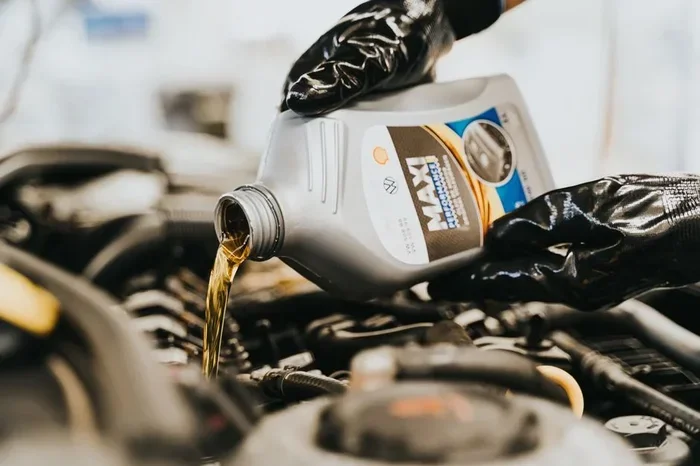
- Add the new 0w-20 oil. Use a funnel to avoid spills. Check the level with the dipstick.
- Run the engine for 30 seconds. Check for leaks around the drain plug and filter.
- Reset your oil change reminder. Most modern vehicles have a digital maintenance indicator.
If you are not comfortable doing this yourself, visit a trusted mechanic or quick-lube shop. The process is quick and affordable. Most oil changes with 0w-20 oil take less than 30 minutes.
Final Thoughts on 0w-20 Oil
0w-20 oil is more than just a trend. It is a smart engineering solution for today’s engines. It delivers better fuel economy, superior cold-start protection, and long-lasting engine defense. For most modern vehicles, it is the ideal choice.
Do not let outdated myths steer you away from this excellent product. Trust the science. Trust your owner’s manual. And invest in quality 0w-20 oil for your next oil change. Your engine will thank you for years to come.
Take a moment to review your vehicle’s needs today. Whether you drive a Toyota Camry, Honda Accord, or Ford F-150, 0w-20 oil is likely the perfect fit. Make the switch and feel the difference on your next drive.